A weekly meal plan in ten minutes
Seven dinners, one shopping list, and ingredients that are used twice so nothing is wasted.
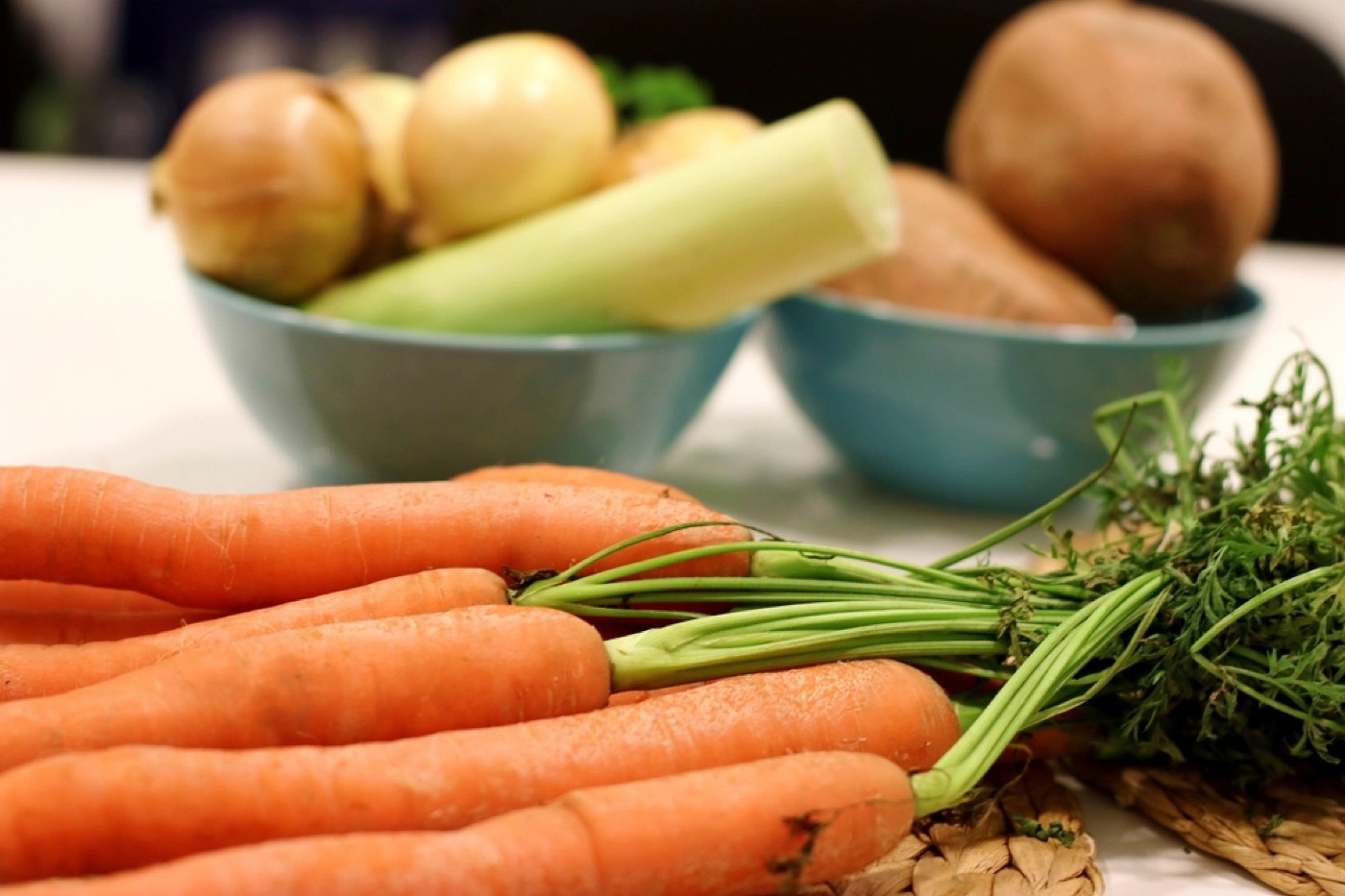
A meal plan is not about discipline. It is about deciding once instead of seven times. AI is good at the part people find hardest: building a week where Monday’s roast chicken becomes Wednesday’s soup, and the shopping list is short because ingredients repeat on purpose.
- 1
Describe your household
How many people, ages, what everyone refuses to eat, and your budget if it matters.
- 2
Mark your evenings
Which nights are rushed, which have time, and which are “someone else cooks”.
Why ten minutes on Sunday saves the week
The tiring part of feeding a household is not the cooking. It is deciding, at the end of a long day, what to make, and then discovering you lack one ingredient. A meal plan moves all of those decisions to a single quiet moment. You decide once, shop once and then simply follow your own instructions.
A plan made by AI has one more advantage over a plan from a magazine: it is built from your constraints. It knows that Tuesday is football practice, that nobody eats mushrooms and that the budget is tight this month, because you told it.
What to tell it
- How many people, and any ages that affect portions.
- Which evenings are rushed and which have time.
- Foods you do not eat, for any reason.
- Your budget, as a rough weekly figure or simply “keep it cheap”.
- What is already in the fridge and freezer and needs using.
- How adventurous the household is: familiar dishes, or one new thing a week.
The rest of this guide is in AIvelina Plus.
The full routine, the ready-made prompt and the checklist — plus every other Plus guide. $19, once.
AI assistants can be wrong. Check prices, dates, health and legal details against an official source before you act, and never paste passwords or card numbers into a chat.