Dinner from what is already in your fridge
Half an onion, two eggs and some rice are a meal. You just need someone to say which one.
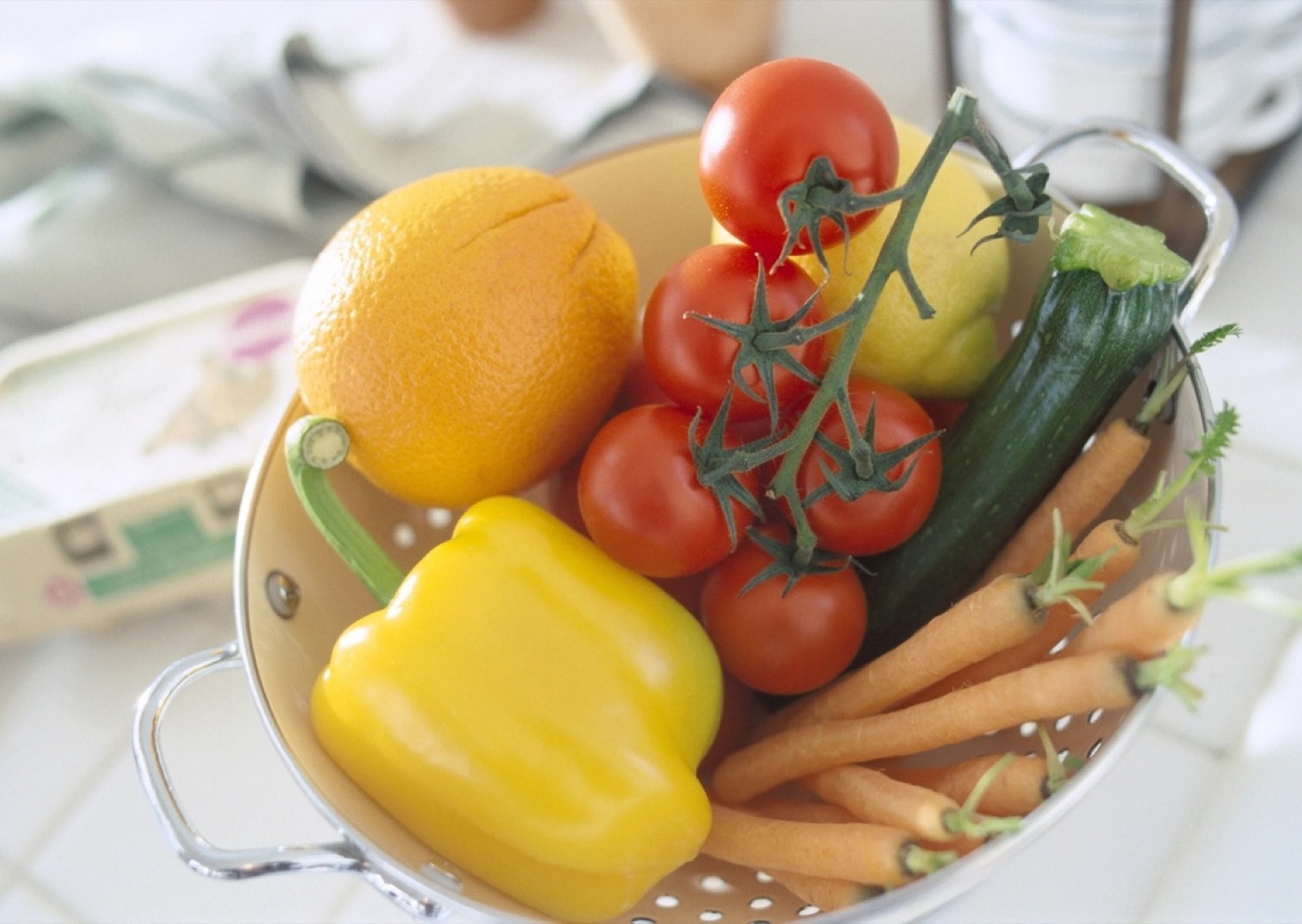
The most useful thing AI does in a kitchen is answer “what can I make with this?”. It saves a trip to the shop, uses up food before it goes off, and takes the daily decision off your plate. The more exactly you list what you have, the better the ideas.
- 1
List what needs using first
Open the fridge and name the things that will not last: vegetables, cooked leftovers, open jars.
- 2
Add your basics
Rice, pasta, eggs, tins, spices. You do not need to list everything — just say “a normal cupboard”.
- 3
Set the limits
Time, how many people, anything you do not eat, and how much washing-up you can face.
Copy-paste prompt
I have [ingredients that need using] plus basic cupboard items. Suggest 3 dinners for [number] people that take under [minutes] minutes, use as much of the list as possible, and need no extra shopping. We do not eat [foods]. Give short steps for the one I pick.
Replace the parts in [brackets] with your own details.
Velina’s tip
Ask for “one pan only” on tired days, and for a second meal that uses whatever the first one leaves behind.
Why starting from the fridge works
Most recipes begin with a shopping list. Real evenings begin with half a courgette, some rice from Tuesday and a feeling that there is nothing to eat. Starting from what you already have turns the question around. You are no longer looking for a recipe you can afford the energy to shop for. You are asking what the food in front of you can become, and that is a question AI answers quickly because it can combine ingredients in ways you would not think of at six in the evening.
It also saves money quietly. The food most often thrown away at home is the food bought with good intentions and forgotten at the back of a shelf. Cooking from the fridge first means the oldest things get used, and the next shop is smaller.
A worked example
The fridge holds two chicken thighs, half a bag of spinach that is starting to wilt, a block of feta, three eggs and a lemon. The cupboard has pasta, rice, tinned tomatoes, onions, garlic and the usual oils and spices. There are two adults, twenty-five minutes and no wish to go out.
Three useful suggestions might be: lemon chicken with garlicky spinach and rice, cooked in one pan. A baked pasta with tomatoes, spinach and feta crumbled on top. Or a spinach and feta frittata with a quick tomato salad, saving the chicken for tomorrow. Each uses the spinach, which was the thing most at risk. Ask for the method of the one you fancy and you are cooking five minutes after opening the fridge door.
How to get better answers
- 1
Lead with what is about to go off
Say which ingredients must be used today. AI will build the meal around them instead of treating everything as equal.
- 2
Give rough amounts
“Two chicken thighs” and “a handful of spinach” are enough. Without amounts you may get a recipe that needs twice what you have.
- 3
Mention your equipment
One hob, no oven, an air fryer, a slow cooker. The method changes with the tools.
- 4
State the effort level
“One pan, minimal washing up” produces a very different answer from “I feel like cooking properly tonight”.
- 5
Name the people eating
Allergies, a vegetarian, a child who refuses anything green. Say it once at the start.
Follow-up prompts
- “Give me the full method for option two, with timings, for two people.”
- “I do not have [ingredient]. What can I leave out or swap without ruining it?”
- “Make it a bit more exciting with one spice or sauce most kitchens have.”
- “What can I prepare now so tomorrow’s dinner takes ten minutes?”
- “Which of these ingredients will keep longest, and which should I use first this week?”
- “Suggest a simple side from what is left so the meal feels complete.”
Keep a “use first” shelf
A small habit makes this guide work every week. Give one shelf or one box in the fridge to things that need eating soon: the opened packet, the single pepper, yesterday’s cooked rice. When you ask AI what to cook, you only have to look in one place. People who try this usually find that the shelf empties itself within days, because nothing on it is forgotten.
Food safety comes first
AI will happily build a meal around anything you list, including food that should not be eaten. It cannot smell or see your ingredients. Use your own judgement and the guidance from your national food-safety authority: when in doubt, throw it out. Be especially careful with cooked rice, poultry, fish and anything past a “use by” date, which is about safety, unlike “best before”, which is about quality. Reheat leftovers until they are steaming hot all the way through, and only once.
If anyone at the table has a food allergy, check every ingredient yourself. Do not rely on a chat reply to confirm that a dish is safe.
Common mistakes
- Listing every item in the kitchen. A long list produces vague answers. Give the five or six things that matter.
- Forgetting to say how much time you have. You will get a slow braise on a rushed Tuesday.
- Accepting an idea that needs one more shopping trip. Ask again with “no extra shopping”.
- Ignoring the basics. A squeeze of lemon, salt at the right moment and a hot pan matter more than the recipe.
Quick questions
- 1
Can I take a photo of the fridge instead?
If your app accepts images, yes. Check that it has read the contents correctly before you trust the suggestions.
- 2
Are AI recipes reliable?
For everyday cooking, generally yes. Treat timings as a guide and taste as you go. For baking, be more careful, because quantities matter more.
- 3
What if nothing sounds good?
Say what you are in the mood for: warm, fresh, spicy, comforting. One extra word changes the suggestions.
Velina’s tip
When you find a combination your household likes, ask AI to turn it into a short recipe card and save it. In a few months you will have a personal cookbook made entirely from meals you built out of what you already had.
AI assistants can be wrong. Check prices, dates, health and legal details against an official source before you act, and never paste passwords or card numbers into a chat.