Scale any recipe up or down
Dinner for two from a recipe for six, without doing fractions in your head.
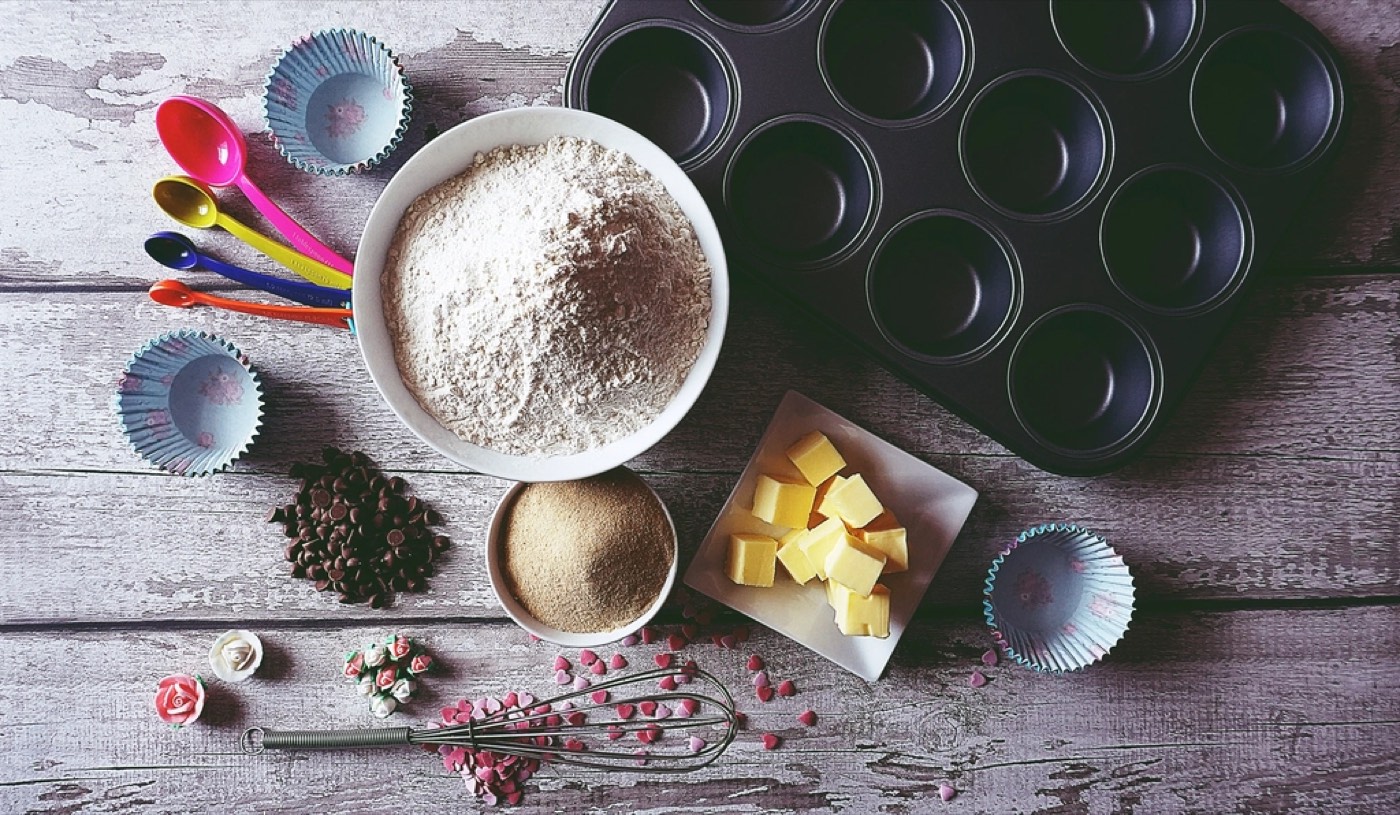
Halving a recipe is easy until you reach “three eggs” and “a 23 cm tin”. Paste the recipe into AI, say how many people you are feeding, and it will rescale every quantity — and warn you about the things that do not scale neatly, like baking times and tin sizes.
Copy-paste prompt
Here is a recipe for [number] servings: [paste]. Rescale it for [number] servings. Convert to [metric/cups], round to amounts I can actually measure, and tell me what changes for cooking time, pan size and anything that does not scale simply.
Replace the parts in [brackets] with your own details.
It works the other way too: ask it to turn a family recipe into a batch for a party of twelve, with a shopping list. For baking, ask it to keep ratios exact and to tell you when halving an egg is worth the trouble.
Why scaling is harder than multiplying
Doubling a recipe sounds like arithmetic, and for a stew it nearly is. But kitchens are full of things that do not scale in a straight line. Three eggs divided by two is an awkward one and a half. A cake that bakes in thirty minutes in a small tin does not take sixty in a large one. Salt, chilli and strong spices often need less than double. Asking AI to rescale a recipe is useful because it handles the sums instantly and, when prompted, flags the parts that need judgement.
A worked example
A lasagne recipe serves six and you are cooking for two. You paste it in and ask for two servings in metric, with awkward quantities rounded.
A good answer divides everything by three, then tidies the result: 500 grams of mince becomes 170, one tin of tomatoes becomes about a third of a tin with a note that you can freeze the rest, and two eggs for the white sauce become one small egg. It suggests a small loaf tin instead of the large dish and tells you to start checking after about twenty-five minutes instead of forty-five, because a smaller, shallower lasagne heats through faster. That last note is the part a calculator would not give you.
What scales and what does not
- 1
Main ingredients scale directly
Meat, vegetables, pasta, rice, stock and most liquids can simply be multiplied or divided.
- 2
Seasoning scales cautiously
When doubling, start with about one and a half times the salt, spices and chilli, then taste and adjust.
- 3
Raising agents need care
Baking powder and yeast do not always scale exactly in large batches. For anything more than double, ask AI to explain the adjustment and check a trusted baking source.
- 4
Time depends on depth, not quantity
A deeper dish takes longer and a shallower one cooks faster. Two trays in the oven together may need extra minutes and swapping halfway.
- 5
Pan size changes everything
Ask what tin or pan the new quantity needs, in centimetres or inches.
Useful conversions
- A level tablespoon is about 15 millilitres and a teaspoon about 5.
- A US cup is roughly 240 millilitres. A cup of flour weighs far less than a cup of sugar, so convert by ingredient, never by one rule.
- Oven temperatures: 180 Celsius is about 350 Fahrenheit. Fan ovens usually run about 20 degrees Celsius lower than conventional settings.
- An ounce is about 28 grams, and a pound about 454 grams.
These are standard conversions, but ask AI to show its working for any that matter, particularly cups to grams, where it sometimes guesses.
Follow-up prompts
- “Convert this recipe from cups to grams and millilitres, ingredient by ingredient, and tell me where the conversion is approximate.”
- “I only have a [size] tin. Rescale this cake to fit and adjust the baking time.”
- “Scale this for twelve people and tell me what to prepare the day before.”
- “Halve this recipe and suggest what to do with the half egg and the leftover half tin.”
- “Rewrite the method for the new quantities, including pan sizes and timings.”
- “Turn this recipe into a batch for the freezer: how many portions, how to pack them and how to reheat.”
Baking needs extra care
Savoury cooking forgives you. Baking is chemistry. When you scale a cake, bread or pastry, weigh ingredients in grams if you can, since cups vary. Ask AI to keep the ratios exact and to tell you the tin size, and expect to adjust the time by watching, not by the clock. A skewer that comes out clean and a top that springs back tell you more than any rescaled number. For large changes, such as making a cake three times bigger, it is often safer to bake the original recipe several times.
Check before you cook
AI does the arithmetic correctly most of the time, and occasionally it slips, especially when it converts units and scales in the same step. Read through the new quantities once and ask yourself whether each looks sensible. If two teaspoons of salt have become two tablespoons, something went wrong. For anything involving preserving, canning, or curing, do not scale by guesswork at all: follow a tested recipe, because safety depends on exact proportions.
Common mistakes
- Scaling the cooking time in proportion to the quantity.
- Using the original pan for a much larger or smaller batch.
- Doubling the chilli and regretting it.
- Converting cups to grams with one number for all ingredients.
- Forgetting that a bigger pot takes much longer to come to the boil.
Quick questions
- 1
Can I scale any recipe?
Most savoury dishes, yes. Delicate baking and anything preserved need a tested recipe at the size you want.
- 2
Should I measure by weight or volume?
Weight is more accurate, especially for flour. A cheap kitchen scale improves baking more than any other tool.
- 3
What about slow cookers and air fryers?
Say which appliance you use. Capacity limits matter: an overfilled slow cooker or air fryer cooks unevenly.
Velina’s tip
Ask for the rescaled recipe as a clean card with ingredients in the order you use them and the method in numbered steps. Save it. The next time you cook for the same number, the thinking is already done.
AI assistants can be wrong. Check prices, dates, health and legal details against an official source before you act, and never paste passwords or card numbers into a chat.