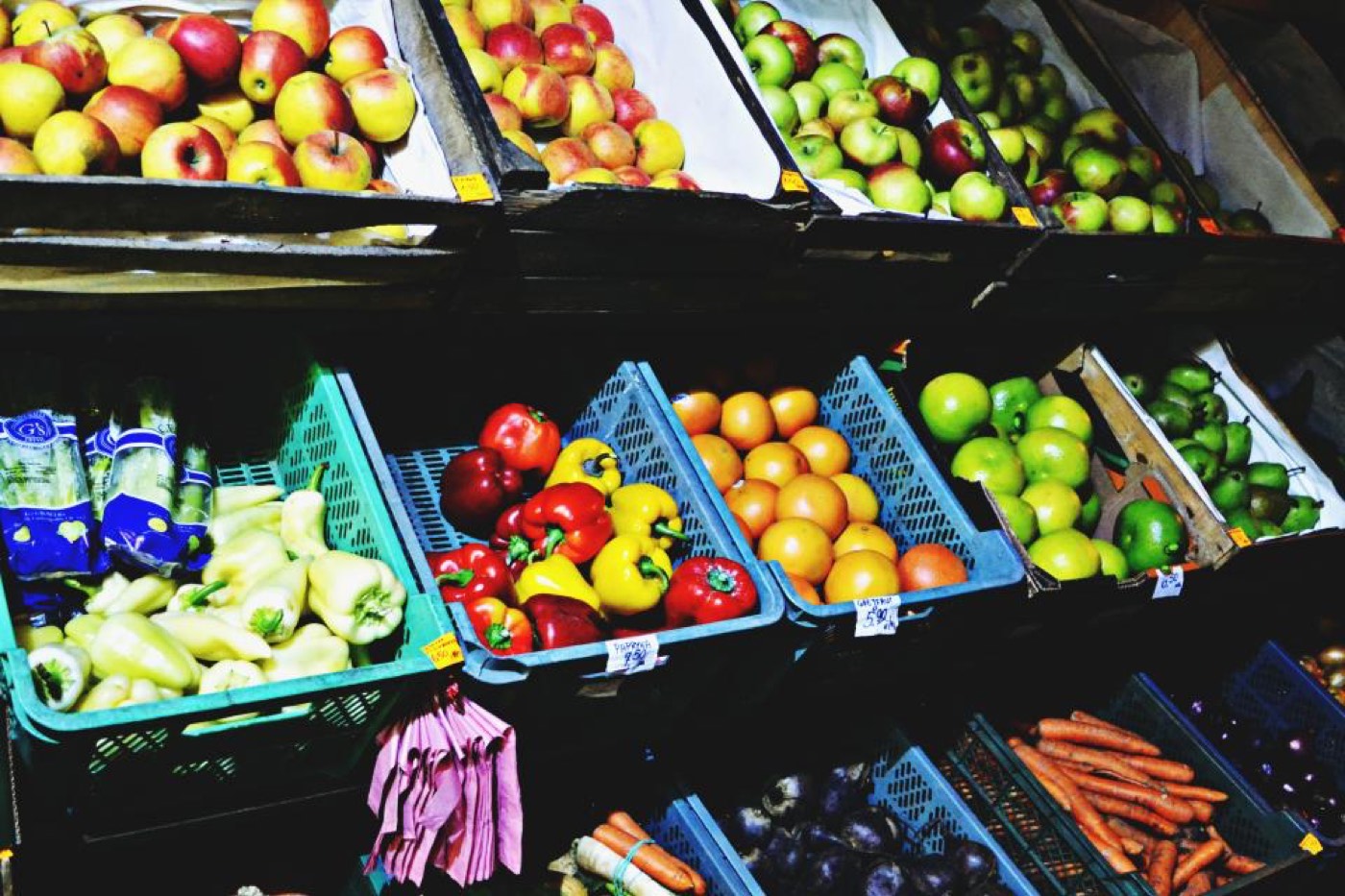
Twenty lunchbox ideas in one message
For the week you cannot face another cheese sandwich.
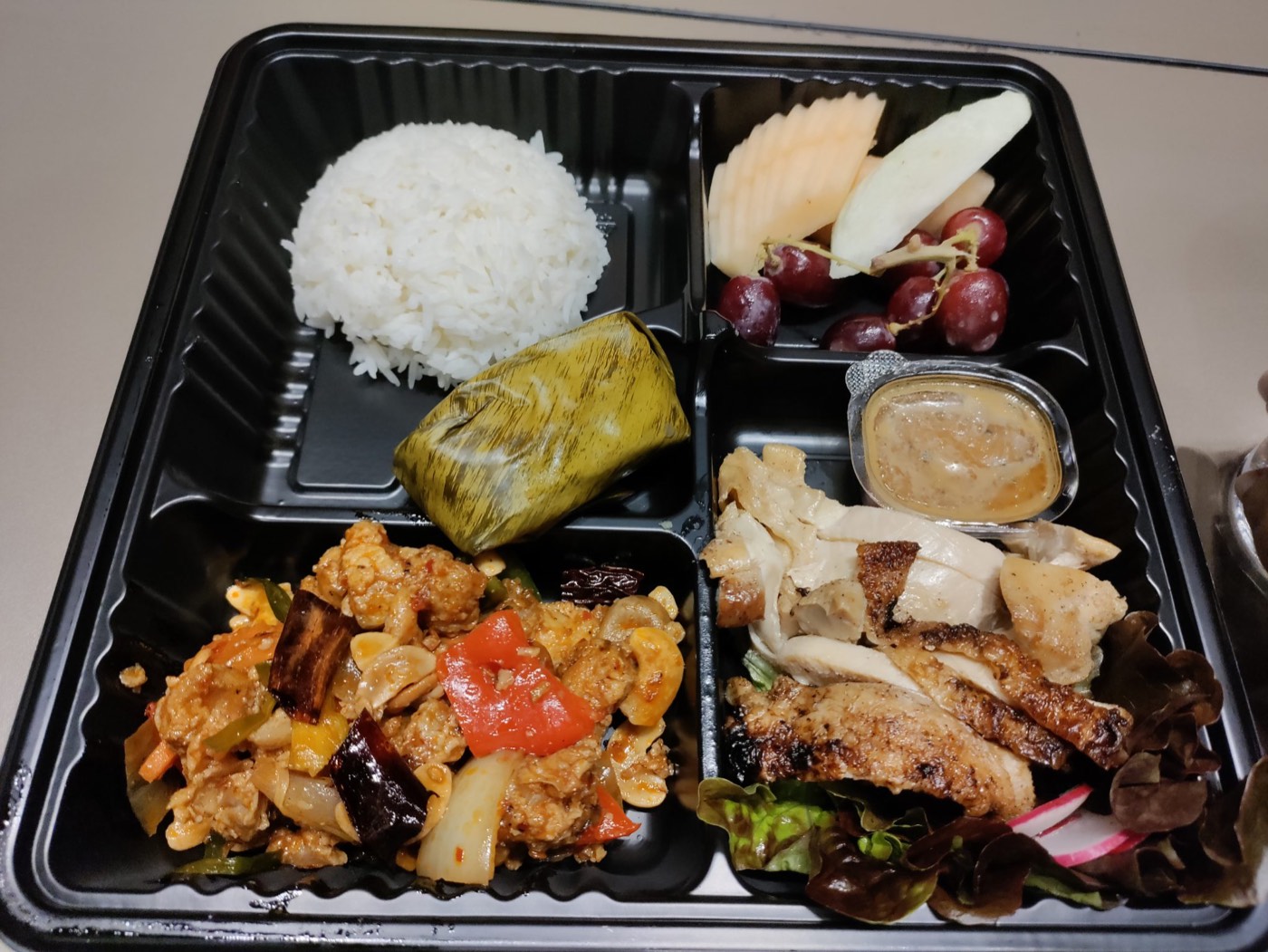
Lunchboxes are a daily creativity test nobody asked for. Ask AI for a long list in one go, shaped by your real limits — no nuts for school, nothing that needs heating, food a seven-year-old will actually open — and you have a month of ideas to rotate.
Copy-paste prompt
Give me 20 lunchbox ideas for a [age]-year-old (or: for my office lunch). Rules: [no nuts / no heating / vegetarian / under 10 minutes to pack]. They like [foods] and avoid [foods]. Group the ideas by main ingredient so I can shop once.
Replace the parts in [brackets] with your own details.
Ask it to turn your five favourites into a Monday-to-Friday plan with a short shopping list, and to suggest what can be packed the night before. The same message works for adults: “lunches I can eat at my desk in ten minutes”.
Why lunchboxes are so tiring
A lunchbox is a small problem that has to be solved five times a week, before eight in the morning, for a customer who may send it home untouched. The difficulty is not cooking. It is variety under rules: no nuts, no heating, nothing that goes soggy, nothing your child refused last week. Asking for twenty ideas at once breaks the daily cycle. You stop inventing a lunch every morning and start choosing from a list.
A simple formula
Most good lunchboxes are built from the same five parts. Once you know them, any idea becomes easy to assemble.
- 1
A main
Something filling such as a sandwich, a wrap, pasta, rice, a savoury muffin or crackers with cheese.
- 2
A vegetable
Cucumber sticks, cherry tomatoes cut in half, carrot, pepper strips or sweetcorn.
- 3
A fruit
Easy to eat with fingers: grapes cut lengthways for young children, apple slices, berries, a small banana.
- 4
A dairy or protein extra
Yoghurt, a cheese portion, a boiled egg, hummus or beans.
- 5
A small extra
A plain biscuit, a few crackers or a homemade oat bar. It makes the box feel like a treat.
A worked example
You ask for twenty ideas for a seven-year-old, with no nuts, nothing that needs heating and nothing that takes more than ten minutes. The list that comes back might include: pasta salad with sweetcorn and cheese cubes. Cheese and cucumber pinwheel wraps. Mini pittas with hummus and carrot sticks. A cold sausage and tomato skewer with bread. Rice with peas and chopped ham. Savoury muffins from the weekend. A “snack plate” box of crackers, cheese, fruit and vegetables. Egg mayonnaise sandwich fingers. Leftover pizza slices. Homemade chicken strips with a dip.
You pick ten your child will eat, ask for a two-week rotation and a shopping list. The morning job becomes assembly.
Follow-up prompts
- “Turn these ten ideas into a two-week rotation with no main repeated in the same week.”
- “Write a shopping list for week one, with quantities for one child.”
- “Which parts can I prepare on Sunday, and how do I keep them fresh until Friday?”
- “My child comes home with the vegetables untouched. Suggest five different ways to pack vegetables.”
- “Give me ten ideas for an adult office lunch that needs no microwave and costs little.”
- “Suggest five lunchboxes that can be packed the night before and still taste good at noon.”
- “Make this list suitable for a vegetarian child and keep it filling.”
Let children choose
Children eat more of a lunch they helped to decide. Show them the list and let them pick the mains for the week, or offer two options per part: apple or grapes, cucumber or carrot. Older children can pack the box themselves from prepared containers in the fridge. It takes longer the first few times and then saves you the job entirely. Ask AI to turn the formula into a simple picture-free checklist a child can follow: one main, one vegetable, one fruit, one extra.
Keeping it fresh and safe
A lunchbox sits in a bag for hours, often in a warm room. Use an insulated bag with a small ice pack, or freeze a water bottle or a yoghurt tube overnight and put it beside the food. Keep wet things away from bread with a divider or a small lidded pot, and pack dressings separately. Wash the box and the ice pack every day.
Follow your school’s rules on allergens exactly, and remember that many schools ban nuts completely. If your own child has an allergy, check every label yourself. AI can suggest ideas but cannot confirm that a product is safe. For young children, cut round foods such as grapes and cherry tomatoes lengthways to reduce the risk of choking.
Common mistakes
- Packing too much. A full box that comes home half eaten is discouraging for everyone. Small portions are fine.
- Trying a brand-new food at school for the first time. Introduce it at home first.
- Relying on packaged snacks every day. They are convenient and add up quickly in cost and sugar.
- Forgetting that lunch breaks are short. Food that is quick to eat gets eaten.
- Making it beautiful. A lunchbox does not need shaped sandwiches. It needs to be opened and finished.
For adults too
The same formula works for an office lunch, and adults forget it more often than children do. A main, something fresh, something with protein and a small treat. Ask for ideas that use your dinner leftovers, that can be eaten cold at a desk and that cost less than buying lunch. Packing your own three days a week is one of the easier ways to cut everyday spending without feeling deprived.
Quick questions
- 1
How do I stop sandwiches going soggy?
Spread butter or cheese to the edges as a barrier, pack wet fillings such as tomato separately and add them at lunchtime if the child is old enough.
- 2
What if my child wants the same lunch every day?
That is common and usually fine for a while. Vary one small part, such as the fruit, and keep the rest.
- 3
Can I freeze lunchbox items?
Many, yes: muffins, pinwheels, cooked pasta portions and some sandwiches. Ask which of your chosen ideas freeze well.
Velina’s tip
Ask your child once a month to rate the lunches with a thumbs up, sideways or down, and give the results to AI when you ask for the next twenty ideas. The list gets better every time, and your child feels heard.
AI assistants can be wrong. Check prices, dates, health and legal details against an official source before you act, and never paste passwords or card numbers into a chat.