Turn leftovers into tomorrow’s lunch
Cold rice and half a roast chicken are not sad. They are fried rice.
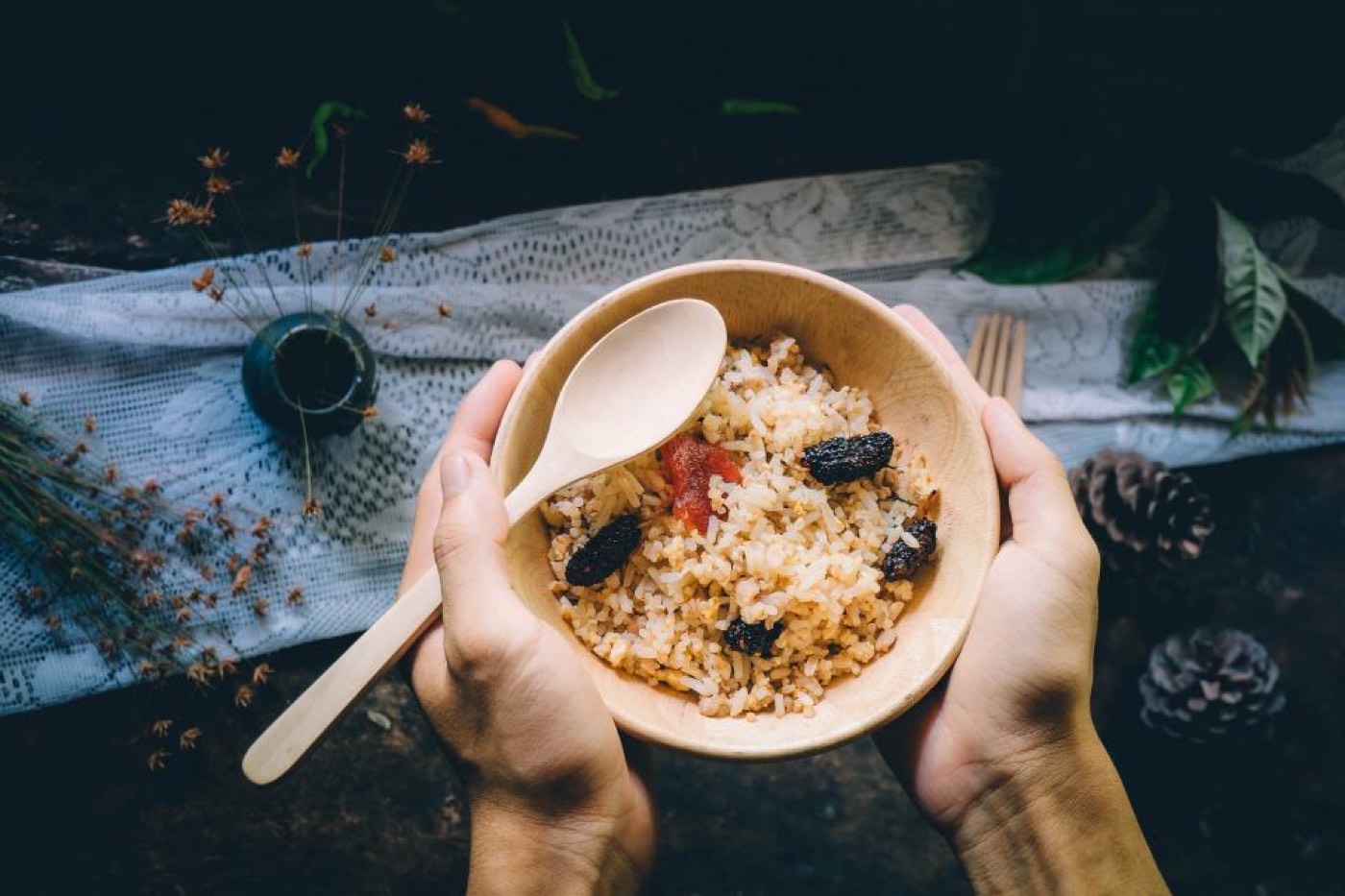
Leftovers get thrown away because eating the same dinner twice is boring. The fix is to change the form: a roast becomes a wrap, a stew becomes a pie filling, plain rice becomes fried rice. Tell AI what is in the containers and ask for a different meal, not a reheated one.
Copy-paste prompt
I have these leftovers: [list, with rough amounts]. Suggest 3 different meals that turn them into something new for lunch tomorrow, each under 15 minutes, using basic cupboard items. Tell me how long these leftovers are safe to keep.
Replace the parts in [brackets] with your own details.
Make it a small evening habit: before you close the fridge, type in what is left and decide tomorrow’s lunch on the spot. It is one less decision in the morning, and noticeably less food in the bin by the end of the month.
Why leftovers get thrown away
Leftovers rarely go bad because there was too much food. They go bad because nobody wants to eat the same dinner again. A box of plain rice and half a roast chicken looks like yesterday. The trick is to stop reheating and start rebuilding: change the form, the flavour or the temperature, and the same ingredients feel like a new meal. That takes a little imagination at exactly the moment you have none, which is why handing the question to AI works so well.
A worked example
In the fridge there are two cups of cooked rice, the meat from half a roast chicken, a few roasted carrots and a spoonful of gravy. You ask for three different lunches.
The first is fried rice: the rice goes into a hot pan with the chopped carrots, the shredded chicken, an egg and soy sauce. The second is a quick soup: the gravy is thinned with stock, the chicken and carrots go in and the rice is added at the end. The third is a wrap filled with chicken, carrots and a yoghurt dressing, with the rice saved for tomorrow. Three meals that taste nothing like last night’s roast, each ready in fifteen minutes or less.
Six ways to transform food
- 1
Change the form
Roast vegetables become soup. Mashed potato becomes fishcakes or a topping. Stale bread becomes croutons or breadcrumbs.
- 2
Wrap it
Almost anything savoury works in a wrap, a pitta or a toasted sandwich with something fresh and something sharp.
- 3
Fry it with egg
Rice, noodles, potatoes and vegetables all become a new meal in a hot pan with an egg.
- 4
Put it on a base
Leftover stew or chilli over a baked potato, on toast, or under a pastry lid.
- 5
Make it cold
Cooked grains, pasta and roast vegetables make good salads with a punchy dressing.
- 6
Change the flavour direction
The same chicken can go Mexican with lime and cumin, Asian with soy and ginger, or Mediterranean with lemon and herbs.
Follow-up prompts
- “Give me the method for option one, for one person, in under ten minutes.”
- “I have only a microwave at work. Which of these ideas travel and reheat well?”
- “What one or two cheap ingredients would turn these leftovers into something special?”
- “I have a little of many things: [list]. Suggest one ’clear the fridge’ meal that uses as many as possible.”
- “Which of these leftovers can I freeze, how should I pack them, and how long do they keep?”
- “Turn these leftovers into a child-friendly lunchbox.”
Plan your leftovers on purpose
The best leftover meals are planned. When you cook, make a little more of the parts that reuse well: an extra portion of rice, a few more roast vegetables, double the sauce. Chefs call these planned extras, and they are the fastest lunches there are. Ask AI at the planning stage: “If I cook this on Sunday, what two different meals can I make from the extras on Monday and Tuesday?” You cook once and eat three times, and none of it feels repeated.
Food safety
This is the part to take seriously. AI cannot see, smell or date your leftovers. Follow the guidance of your national food-safety authority. As general good practice, cool leftovers quickly and put them in the fridge within a couple of hours, eat them within a few days, and reheat them until steaming hot all the way through. Reheat only once. Cooked rice needs particular care: cool it fast, keep it cold and do not leave it at room temperature. Label boxes with the day they were cooked, and if you are unsure about something, throw it away. A wasted portion costs much less than a day of food poisoning.
Common mistakes
- Reheating the same dish three days in a row and then binning the rest out of boredom.
- Storing leftovers in the pot, where they cool slowly and take up the whole shelf.
- Forgetting what is in the box. Clear containers and a label solve this.
- Mixing everything together on day one. Keep components separate so they can become different meals.
- Leaving it too long. A plan for tomorrow is better than a hope for Friday.
Quick questions
- 1
How long do leftovers keep?
It depends on the food and your fridge. Check official guidance, and use the freezer for anything you will not eat within a few days.
- 2
Can I freeze cooked rice and pasta?
Yes, both freeze well in portions. Cool them quickly first and reheat thoroughly.
- 3
What if I only have tiny amounts of several things?
Ask for a frittata, a soup, fried rice or a “picking plate”. All four are designed for odds and ends.
Velina’s tip
Keep a bag in the freezer for vegetable ends, herb stalks and the last spoonful of things. When it is full, ask AI for a soup or stock recipe that uses exactly what is in the bag. It is the most satisfying meal you will make all month.
AI assistants can be wrong. Check prices, dates, health and legal details against an official source before you act, and never paste passwords or card numbers into a chat.