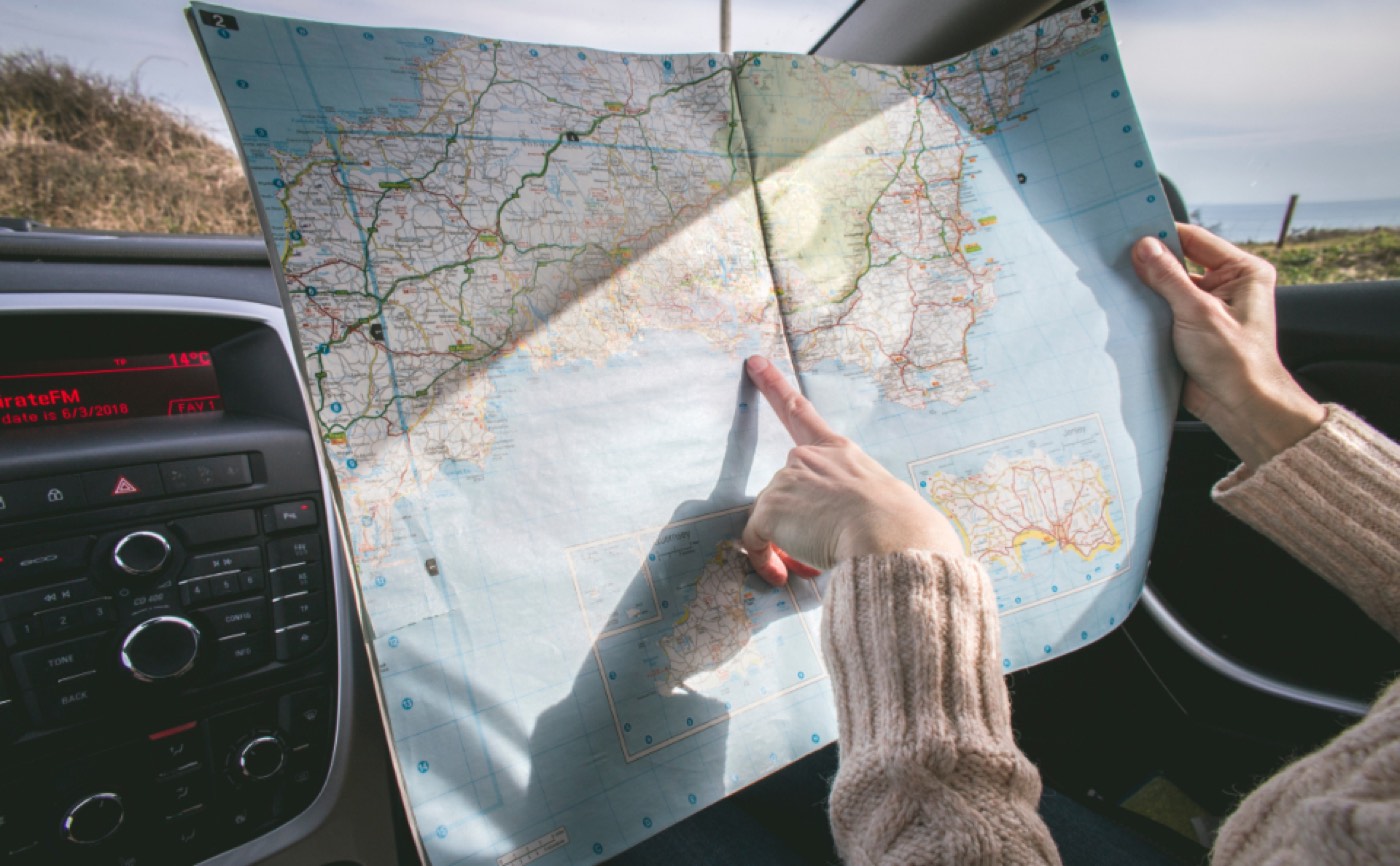
Road trip stops worth the detour
Break a long drive into pieces with something nice at the end of each one.
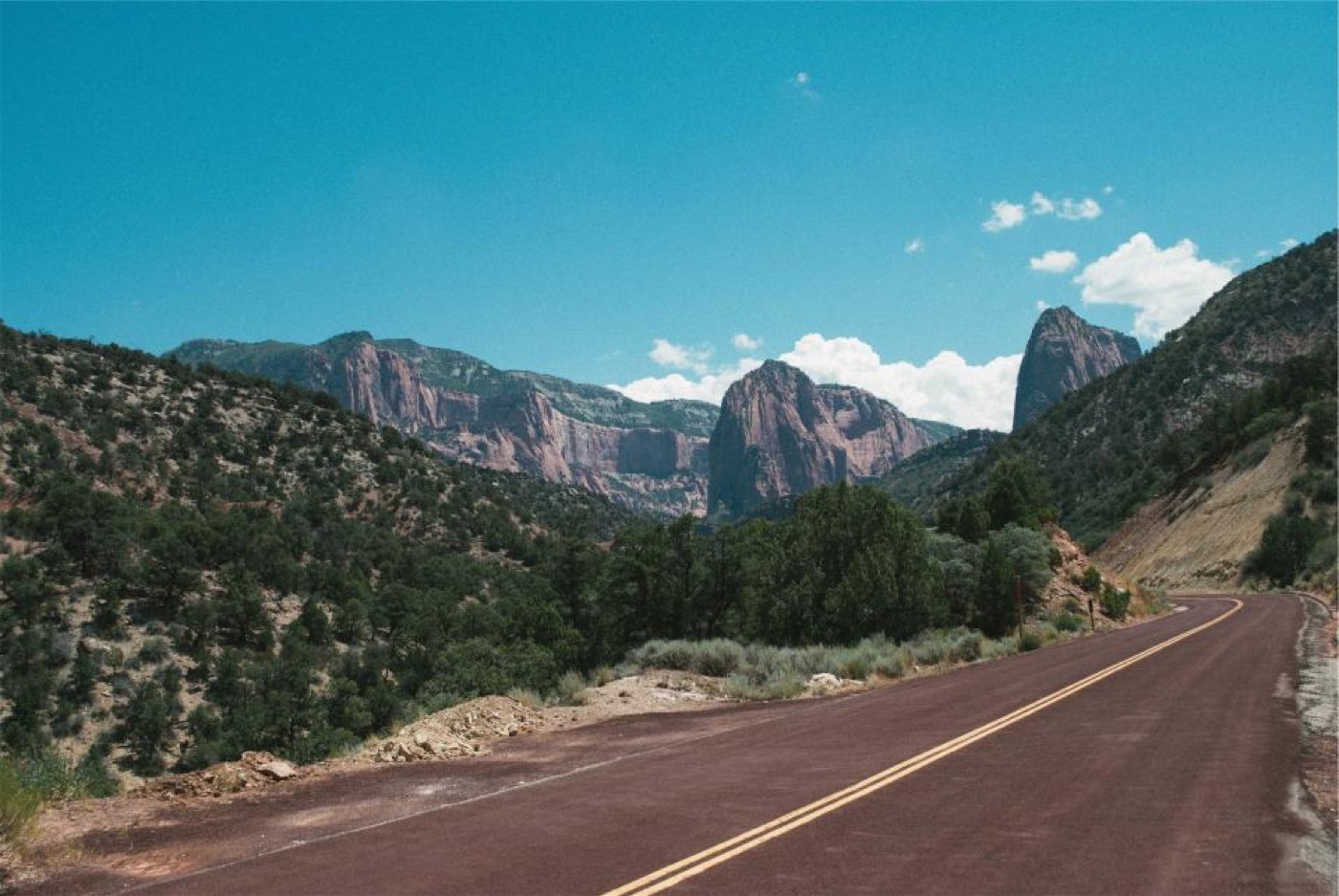
Long drives are easier with stops you look forward to. Give AI your route and how long you can drive before everyone gets restless, and ask for breaks that are more than a petrol station: a viewpoint, a short walk, a town with a decent lunch.
Copy-paste prompt
We are driving from [start] to [end], about [hours] hours, with [who, including children or pets]. We want to stop roughly every [hours] hours. Suggest stops along the way with a reason to stop at each (walk, view, food, playground), how long to allow, and a relaxed timetable.
Replace the parts in [brackets] with your own details.
Check the stops on a map before you leave — AI can misplace a village or forget a road is closed for the season. Ask too for a car-snack list and a few games or podcast ideas for the passengers’ ages, and the journey starts to feel like part of the holiday.
Why stops make or break a drive
A long drive with bad stops is something to endure. The same drive with two or three good ones is part of the holiday. The difference is rarely luck. It is whether somebody thought about it beforehand, or whether the family pulls into the first motorway service area when the complaints from the back seat become unbearable. Planned stops also make the drive safer. A driver who rests every couple of hours is far more alert than one who pushes on for “just another hour”.
What to tell AI
- 1
The route
Start, end and roughly which roads. Say whether you want to stay close to the main route or are happy to take a slower, prettier one.
- 2
Who is in the car
Children and their ages, a dog, someone who cannot walk far, someone who gets car-sick.
- 3
Your rhythm
How often you want to stop and for how long.
- 4
What you enjoy
Viewpoints, short walks, swimming, small towns, local food, odd museums, playgrounds.
- 5
The detour limit
How many minutes off the route you are willing to go. Fifteen is a good default.
A worked example
A family is driving from Munich to Lake Garda, about five hours, with two children and a dog. They want three stops, none more than fifteen minutes off the route.
The suggestion has a shape. After about ninety minutes, a stop near a lake or river in the foothills, where the dog can run and the children can throw stones for twenty minutes. Around the halfway point, a small town just off the motorway for a proper lunch and a walk around the square. In the last third, a viewpoint or a short, easy trail for one final stretch before arrival. It adds where fuel is likely to be cheaper and reminds them that some roads on the route require a toll sticker or charge, which must be checked before departure. Three stops, each with a purpose, and nobody arrives miserable.
Types of stop worth looking for
- Water: a lake, a river or a beach. Children and dogs will play for as long as you allow.
- A small town with a bakery, a market square or a castle on a hill.
- A viewpoint that takes five minutes and gives you the photograph of the trip.
- A short circular walk, twenty to forty minutes, to wake everyone up.
- A playground near a cafe, which is the best combination there is for young families.
- A farm shop or roadside stall for local food and a picnic.
- Something odd: a strange museum, a giant sculpture, a famous bridge.
Follow-up prompts
- “Build a timeline: departure time, each stop with arrival and leaving times, and expected arrival.”
- “Suggest a picnic I can pack that survives five hours in a car without a cool box.”
- “Give me ten car games and conversation questions for children aged [ages], with no screens.”
- “We have an electric car with about [range]. What should I plan differently, and what must I check about charging?”
- “Suggest a slower, more scenic alternative for part of the route, and tell me how much time it adds.”
- “It is raining. Replace the outdoor stops with indoor ones near the same points.”
- “Make a checklist for the car before a long drive.”
Verify before you rely on it
AI does not know current road conditions, closures, traffic, opening hours or whether a place it describes still exists. It can get distances and detour times wrong, and it sometimes places an attraction in the wrong town. Check every stop on a maps app: confirm that it exists, see how far it really is from your route and look at recent photos or reviews. Check opening times for anything you are counting on, especially outside the main season.
Rules of the road differ between countries: speed limits, tolls and stickers, required equipment such as warning triangles or reflective vests, winter tyres, child seats and low-emission zones. Use official sources or a motoring organisation for those, and do it before you leave.
Rest is not optional
Tiredness at the wheel is dangerous. Road safety organisations commonly advise taking a break at least every two hours on a long drive and not driving at times when you would normally be asleep. Share the driving if you can. If you feel drowsy, stop somewhere safe and rest. Opening a window or turning up the music does not fix it. Plan the stops for the driver first and for the scenery second.
Travelling with children and dogs
Children need to move, not just to get out. Choose stops where they can run, climb or paddle, and give them ten minutes longer than you think is necessary. Keep snacks and water in reach, and a bag for rubbish. For car sickness, speak to your pharmacist before the trip, keep the car cool, and encourage looking out of the front window.
Dogs need water, shade and a walk at each stop. Never leave a dog in a parked car in warm weather, even briefly, because the temperature inside rises fast. Check that your stops allow dogs, and carry a lead and bags.
Common mistakes
- Trying to cover too much distance in one day.
- Choosing stops that are beautiful but forty minutes off the route.
- Stopping only for fuel.
- Leaving at the busiest time and sitting in traffic for the first hour.
- Arriving after dark at a place you have never been.
Quick questions
- 1
How often should we stop?
About every two hours, or sooner with small children.
- 2
How long should a stop be?
Fifteen to twenty minutes for a stretch, forty-five to sixty for a meal.
- 3
Can AI plan a multi-day road trip?
Yes. Give the total days and the maximum driving hours per day, then verify every leg on a map.
Velina’s tip
Let each passenger choose one stop on the route in advance. The person who picked the waterfall or the ice-cream shop spends the hour before it looking forward, not asking how much longer it will be.
AI assistants can be wrong. Check prices, dates, health and legal details against an official source before you act, and never paste passwords or card numbers into a chat.